
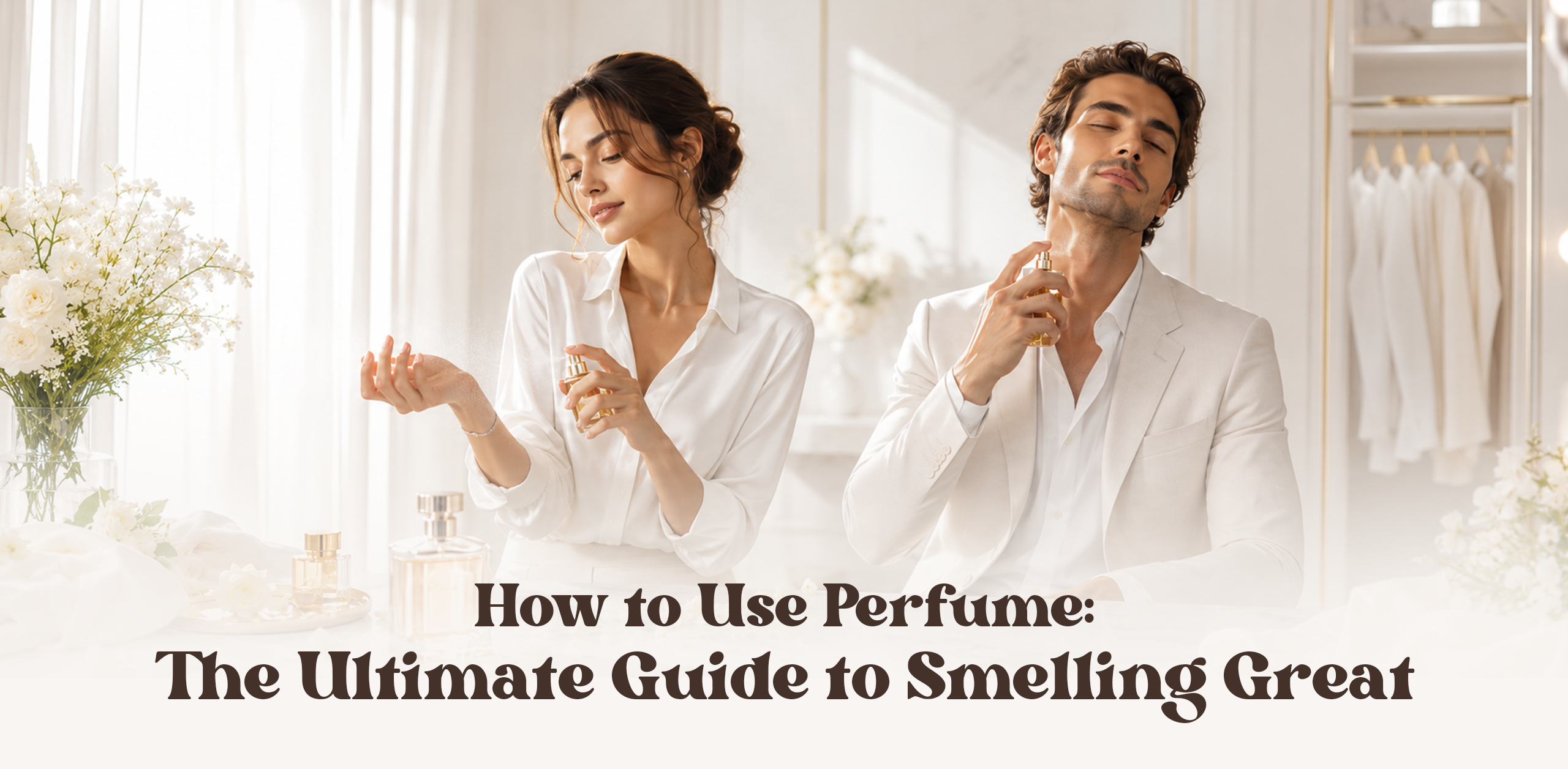
We all want to smell amazing. You buy a beautiful bottle of fragrance. You spray it on. But an hour later, the scent disappears. Why does this happen? Usually, it is because of your application technique.
Spraying a luxury scent seems simple. However, a lot goes into the science of smelling great. Your unique skin chemistry interacts with the liquid. Where you spray makes a massive difference. We will teach you how to use perfume like an expert. Let us unlock your signature scent today.
Understand Your Perfume Concentration
Before you spray, you must know your bottle. Not all scents have the same strength. The ratio of oil to alcohol determines how long a scent lasts. This ratio is known as the perfume concentration.
Eau de Parfum vs. Eau de Toilette
You will see French terms on your fragrance labels. The two most common types are eau de parfum and eau de toilette.
- Eau de Parfum (EDP): This type contains fifteen to twenty percent pure fragrance oil. It lasts a long time on the skin. You only need a few sprays.
- Eau de Toilette (EDT): This variation contains five to fifteen percent oil. It feels lighter and fresher. It works well for casual daytime wear. You might need to reapply it later.
Always adjust your application based on product strength. A heavy EDP requires a light hand. A fresh EDT allows for a couple of extra sprays. If you want a deeper breakdown of these oil levels, read our comprehensive guide on what is the difference between eau de toilette and perfume.
The Best Pulse Points for Scent Application
Heat activates fragrance. Your body has specific spots that generate extra heat. These areas are called your pulse points. Your blood vessels sit closest to the skin surface here.
When you spray these warm spots, your scent projects better. It creates a beautiful aura around you. It helps the fragrance notes develop naturally over time.
Let us look at the best pulse points to target:
- The Neck: This is the prime real estate for fragrance. It sits close to people’s noses when they greet you.
- The Inner Wrists: A classic choice. Your hands move when you speak. This movement helps distribute the aroma into the air.
- Behind the Ears: This spot keeps the scent close to your hair. It leaves a lovely trail when you walk past someone.
- Inside the Elbows: This area works perfectly if you wear short sleeves. It traps the warmth and releases the scent slowly.
Step-by-Step Guide to Apply Perfume Correctly
Now you know where to spray. Let us walk through the perfect routine to apply perfume correctly. Follow these simple steps every single morning.
1. Start with a Clean Base
Always apply your fragrance right after you shower. Your pores open up in the warm water. Your skin is clean and free of sweat. Open pores hold onto fragrance oils much better.
2. Hydrate Your Skin
Dry skin is the enemy of longevity. It absorbs the alcohol and oils too quickly. This makes the scent fade fast. Rub a fragrance-free lotion onto your pulse points first. The moisture acts like a primer. It gives the oils something to stick to.
3. Hold the Bottle at a Distance
Do not hold the nozzle right against your flesh. Hold the bottle five to seven inches away. Spray firmly. This creates a fine mist that covers a wider surface area. It prevents the liquid from pooling on your skin.
4. Let It Dry Naturally
Do not touch the wet spot. Leave it alone for a few minutes. Let the liquid sink into your skin. This allows the top layer of the aroma to settle naturally.
Common Perfume Mistakes You Must Avoid
Many people follow bad habits when using their favourite scents. These mistakes can ruin an expensive product. Let us fix these errors right now.
1. Never Rub Your Wrists Together
This is the number one mistake people make. You spray your wrists, and then you rub them together. Stop doing this immediately. Rubbing generates friction and heat. This friction breaks down the delicate top fragrance notes before they can even perform. It alters the entire olfactory journey. It can make a high-quality product smell cheap or sour.
2. Do Not Spray Your Clothes Directly
It is tempting to mist your outfit. However, many formulas contain dark oils and alcohol. These ingredients can stain delicate fabrics like silk, wool, or white cotton. Plus, scents develop best when they blend with human skin oils. Fabric does not allow this magical transition to happen.
3. Avoid the Spray and Walk Method
Some people spray a cloud into the air and walk through it. This looks elegant in movies. In reality, it is a massive waste of money. Most of the product lands on your floor or carpet. The tiny bit that touches you will disappear within an hour. Target your flesh directly instead.
Matching Your Scent Profile to the Occasion
Every bottle has a unique scent profile. Some are fresh and citrussy. Others are deep, spicy, or incredibly sweet. You should match your selection to your environment and the weather.
For example, hot summer days call for fresh, aquatic options. Cold winter nights are perfect for rich, cosy, edible aromas. If you love sweet, dessert-like smells, you might enjoy vanilla or caramel options. You can read more about these delicious, sweet treats in our article on what is gourmand perfume. These sweet profiles require a lighter hand so they do not overwhelm people around you.
Managing Your Fragrance Longevity
How long should you expect your aroma to linger? It depends heavily on the formula type and ingredients. Citrus elements evaporate fast. Woody and musky ingredients stay on the skin for hours.
To understand what to expect from your specific bottle, check out our deep dive into how long does perfume last. Generally, a standard application should give you four to eight hours of performance.
If you want to stretch that timeline even further, you can implement a few professional hacks. Read our expert tips on how to make perfume last longer to get the absolute most out of every single spray.
Frequently Asked Questions
Where is the best place to spray perfume?
The best places are your natural body pulse points. These include your inner wrists, the sides of your neck, and behind your ears. These spots generate continuous body heat. This heat allows the aroma to release evenly throughout the day.
Why can I not smell my own perfume after a while?
This happens because of a natural process called olfactory fatigue. Your brain gets used to the constant aroma around your nose. It shuts off the signal to focus on new environmental smells. Other people around you can still smell your fragrance perfectly fine.
Should you spray perfume on your clothes or skin?
You should always spray it on your skin. Scent formulas need body heat and natural skin oils to develop their full potential. Spraying clothes can cause permanent oil stains on delicate fabrics. It also prevents the natural dry-down process from occurring properly.
Can you spray perfume directly onto your hair?
You should avoid spraying it directly from the bottle into your hair. Most formulas contain a high percentage of alcohol. This alcohol can dry out your hair strands and cause damage. Instead, spray your hairbrush once, wait a few seconds for the alcohol to evaporate, and then run it through your hair.
Conclusion
Smelling amazing is an art form. It requires the right timing, placement, and care. Start by checking your bottle to see what type it is. Always apply the liquid to your warmest pulse points right after your morning shower. Remember to keep your skin hydrated with an unscented lotion first. Avoid rubbing your skin, and skip the fabric sprays. Follow these easy guidelines to enjoy a wonderful aromatic experience all day long.